Today, after having completed the R&J modern day hypothetical projects, we dissected/translated the prologue and provided support for our conclusions.
Find the parallel text here.
Let's get ready to learn.
Monday, December 1, 2008

Monday, November 10, 2008
Wednesday, November 5, 2008
DEBATE
Please make sure that you all come in tomorrow ready to make your final preparations for your debate. Please make sure that you have taken the time to thoroughly analyze your characters:
Furthermore, also be certain that you have the following prepared:
WHO SHOULD SURVIVE SHEET FOUND HERE.
Let's take care of business and make Obama proud.
- Pro's and Con's
- Strengths and Weaknesses
Furthermore, also be certain that you have the following prepared:
- Points and Counter-points
- Promotions and Defenses
WHO SHOULD SURVIVE SHEET FOUND HERE.
Let's take care of business and make Obama proud.
Thursday, October 30, 2008
Monday, October 27, 2008
Non-Fiction Writing and Introduction
Musical Artist Informative Paper
The definitions surrounded the principles of perception and scientific validity. This was very good and proved that you all's thinking is superior indeed.
Thanks to V. Clay, U. Ewo, M. Haywood, B. Hines, K. Kelley, Z. Solomon, E. Thomas, L. Johnson, B. Grimes and M. Fritz, for contributing their definitions today.
My definition of real, factual, or true, is "Something that is widely percieved, verifiable with science, which is as a result understood, and consequently is, able to, or expected to reproduce(able).
- Who is your favorite artist
- Short Bio
- Why is __________ your favorite artist?
- Justification
- Short comparison
- What kind of person is ___________?
- Positive
- Negative
- Miscellaneous
- After reviewing the previous information, why do you support ____________?
The definitions surrounded the principles of perception and scientific validity. This was very good and proved that you all's thinking is superior indeed.
Thanks to V. Clay, U. Ewo, M. Haywood, B. Hines, K. Kelley, Z. Solomon, E. Thomas, L. Johnson, B. Grimes and M. Fritz, for contributing their definitions today.
My definition of real, factual, or true, is "Something that is widely percieved, verifiable with science, which is as a result understood, and consequently is, able to, or expected to reproduce(able).
Tuesday, October 14, 2008
PSAT Preparation
Here is some extra information, which will help you do well tomorrow, while you take the PSAT. Please review all the sections in preparation. For your benefit.
Thursday, October 9, 2008
Color Legend for Most Dangerous Game Papers
Color Legend for Most Dangerous Game Papers
- Blue= good points,
- Red=unclear, off topic, or bad stuff
- Green=comments
PSAT Question HW and Point of View Writing
After sharing some entries, we then discussed the different types of point of view.
Finally for the remainder of class and for homework we performed the following task, found here.
Rewrite the story of the three little pigs from just one point of view instead of third person. This can either be the Wolf’s, one of the pigs, the mother, real estate agent, insurance salesperson, nosy neighbor, etc…
BE CREATIVE AND HAVE FUN! Also, explain why you wrote it from that point of view.
Food for Thought. (Pun intended)
Since the Wolf ate the last Pig’s brothers, and the last Pig ate the wolf, does that then make the last Pig a cannibal, a “revenge-eater”, an opportunist, or just hungry? What do you think?
~~~~~~~~~~~~~~~~~~~~~~~~~~~~~~~~~~~~~~~~~~~~~~~~~~
The PSAT question to answer:
Although the poet’s status as a modernist master is by now all but ____________, her unsavory politics continue to _____________ many who study her works today.
- · Point of View.
- Think perspective.
- What is seen through a characters eyes, what they think, what they feel, what they know, what they hear etc...
- A clever writer can use point of view to establish sympathy or ignorance/suspense, as necessary.
- · First Person.
- o Written or told by one who is directly involved or actually participates in the event or situation being written about.
- o Look for I said, “You look nice today.” You said, “Thank you very much for noticing.”, we, us, etc...
- o Think about the following: This is an A & B conversation, C your way out. First person is the A or B telling or writing the story.
- o EXAMPLE(S): Think of "Saving Private Ryan" (alternate link )where the camera gives you the view and perspective of an actual person there. Particularly, in the beginning when they put the camera underwater and you see people drowning or struggling to free themselves and breathe. Also, they let the camera bob in the water and you hear the splashes and deafness caused by the water as opposed to the deafening roar of mortars and machine gun fire above the surface.
- § In this case we get to really experience what it feels like to be in the war. We are dunked in water, dirty, and shell-shocked just like the soldiers.
- § FYI. The director, Steven Spielberg, even took out 60% of the color in the movie to give that old, gritty, dirty feel throughout the film, reinforcing the effect war has on its participants.
- · Third Person Limited.
- o Written or told by one who is simply a bystander or witness of the event or situation being written about.
- o Look for he said, she said, they, them, etc...
- o Think, this is an A & B conversation, C your way out. The audience in this story or movie is C, they are just there, not involved.
- o EXAMPLES: Think of "Waist Deep" (alternate link). In this movie, there was nothing seen, experienced or heard that was outside of the perception of the main characters, O2,
- § In this case we get to experience events as a witness of what happens in those main characters lives.
- · Third Person Omniscient.
- o OMNI meaning all-scient meansknowing.
- o Most popular point of view.
- o Written or told by one who is all knowing.
- o This story gives everyone's perspective or everyone's point of view. We see, feel, hear, what any particular character experiences.
- o Look for *name* said, *character* said.
- o EXAMPLE(S): Think of the "Matrix", (alternate link) we saw and felt the experiences of all people involved. We saw the story from the perspectives of Morpheus, Trinity, and Neo. We learned/ were exposed to the thoughts of the Oracle and Agent Smith, even though either of the main three characters was not there.
- § In this case the audience is completely and thoroughly submerged in the story, we get to see the traps set by the enemy/villain and can admire their resourcefulness first hand. This eliminates ignorance in the audience, but provides a more convincing experience, because they usually have no unanswered questions.
Finally for the remainder of class and for homework we performed the following task, found here.
Rewrite the story of the three little pigs from just one point of view instead of third person. This can either be the Wolf’s, one of the pigs, the mother, real estate agent, insurance salesperson, nosy neighbor, etc…
BE CREATIVE AND HAVE FUN! Also, explain why you wrote it from that point of view.
Food for Thought. (Pun intended)
Since the Wolf ate the last Pig’s brothers, and the last Pig ate the wolf, does that then make the last Pig a cannibal, a “revenge-eater”, an opportunist, or just hungry? What do you think?
PSAT QUESTION ASSIGNMENT
You need to identify and explain the following four items in the PSAT booklet:- 1. Keywords, words that are important like verbs, nouns, and their adjective and adverbs, and, lastly, words like, even, although, nevertheless, etc. which indicate opposite meanings.
- 2. Translations, synonyms, definitions, or smaller/more familiar versions of those keywords. That way, we understand exactly what is being asked.
- 3. Finally, all those need to be put together so that you have a fluid sentence that you can now understand.
- 4. Compose a short answer where you explain why the wrong answers are wrong and why the right answer is right.
The PSAT question to answer:
Although the poet’s status as a modernist master is by now all but ____________, her unsavory politics continue to _____________ many who study her works today.
- (a) canonical .. berate
- (b) incontrovertible .. trouble
- (c) undeclared .. instigate
- (d) hypothetical .. polarize
- (e) inconclusive .. provoke
Monday, September 29, 2008
Persuasive Appeals

Today we read and summarized the following document, covering persuasion.Foundations of Persuasion found here.After this document was summarized, students then applied the following Appeals of Persuasion to the four categories contained in the Foundations of Persuasion document.
Fear
Novelty
Belief
Common Practice
Consequences
Emotion
Popularity
Ridicule
Tradition
SpiteStudents, if you want to learn more about persuasion, techniques or applications, then please check out the following links:Persuasion Power PointPersuasive Fallacies and AppealsThis website is maintained by the Jewish community in an attempt to educate people, so that no others again will fall prey to faulty logic and massacre a people. That is, so long as those people are not Europeans.
Fear
Novelty
Belief
Common Practice
Consequences
Emotion
Popularity
Ridicule
Tradition
SpiteStudents, if you want to learn more about persuasion, techniques or applications, then please check out the following links:Persuasion Power PointPersuasive Fallacies and AppealsThis website is maintained by the Jewish community in an attempt to educate people, so that no others again will fall prey to faulty logic and massacre a people. That is, so long as those people are not Europeans.
Foundations of Persuasion

NO, NOT THAT LINK!
Today, we gave examples of how the Foundations of Persuasion fit to the various Persuasive Appeals and also gave specific examples of how they all fit together.
The Appeal to Fear: this is often effective, because most people do not like harm or harmful things.
If you do not help stop the genocide, then, soon it will come over here.
If you do not give me your lunch money, then I will beat you up.
If you do not make good grades on your progress report, then I am going to beat your butt!
The Appeal to Novelty: this is often effective because people are either materialistic and want to say that have the latest iPhone, Jeezy CD, etc.... OR people make the assumption that just because technology and education is better that the products are therefore also better because they should utilize these and other advances.
This is the NEW AND IMPROVED......
This is the latest development in Hip-hop,.....
The Appeal to Belief: this is often effective because people are very passionate about their belief systems, i.e. RELIGION and are easily persuaded by things if they believe that God commanded or stated thusly.
W.W.J.D. What would Jesus do? This was a very popular slogan and motivational idiom used, worn, toted, and trumpeted by many in the 1990's.
Whether God, or Allah, or Buddha, or Krishna, Vishnu, Yahweh, or Jehovah, etc... the vast majority of people believe in a Higher Power and therefore are highly influential when it is said or believed that God, god, divine, or god-like figure is involved.
The Appeal to Common Practice: this is often effective because people love to mimic, imitate, or do what others are doing. Also, people are easily convinced by routines. If someone does it all the time, then it must be alright.
Ain't never used to be an acceptable word, but people kept using it, or established a common practice of usage so much that it is now found in dictionaries.
People speed on a daily basis, but you don't get tickets unless you are going crazy fast, i.e. 85+
The Appeal to Consequences: this is often effective because people do not like negative things impacting their life, so long as they are sane.
A good example of this is the use of punishment as motivators when it comes to you doing your chores at home. For instance, you are going to get a whipping, beating, or whatever, if you don't go and clean your room right now. I will cut your phone off if you don't pull up your grades.
Or you are going to get skin cancer and the air you breathe will soon become poisonous if you don't start taking better care of the environment.
The Appeal to Emotions: this is often effective because people do not like to be sad and miserable, and, conversely, they really enjoy being happy, rapturous, and gleeful.
For instance, in commercials with convertibles, restaurants, and games, the users are ALWAYS seen smiling and seemingly having the time of their lives. This is because the advertiser wants you to believe that purchasing this product will make you happy.
On the other hand, you often see commercials, like the feed starving children commercials, which attempt to guilt trip you into donating or sending money.
The Appeal to Popularity: this is often effective because people love to go with the crowd. They love to belong and be accepted. This herd-mentality, is a common well documented phenomenom.
For example, Momma, I need to get these new jeans and J's because everybody at school has them. I don't wanna be a lame!!!! Momma, you gotta help me!!!
No one else is saying that they have their paper, or is saying that they know the answer, so I am going to be quiet and play dumb too.
A good friend said to some students as a warning, "If you play dumb for too long, after a while, you won't be playing anymore."
The Appeal to Ridicule: this is often effective because people hate to be talked about, insulted, roasted, joned, made fun of, etc...
Momma, I am getting snapped on all the time, because I keep trying to hang with my friends, but they don't want me around. You have gotta buy me those Girbaud jeans, with the baby blue Tims. Come on Momma, you don't want your child being harrassed at school. It's hard to concentrate on schoolwork!
The Appeal to Tradition: this is often effective because people like to keep things the same. Although, to some extent, people love change, different is ALWAYS scary because it is unfamiliar. Therefore, if it's been that way for a long time, then why seek to change it.
Think about the many parents in America that lie to their kids about the existence of Santa Claus, the Tooth Fairy, and other Urban Myths or legends solely for tradition's sake.
The Appeal to Spite: this is often effective because people despise haters. People deep down do not like bad people and will get back at them whenever possible.
Think about the smear ads you see, particularly in politics. It is to say, this is a bad person, or this person has done this in their past, therefore do this and pay them back.
THIS IS FUNNY. If you used to watch the show.
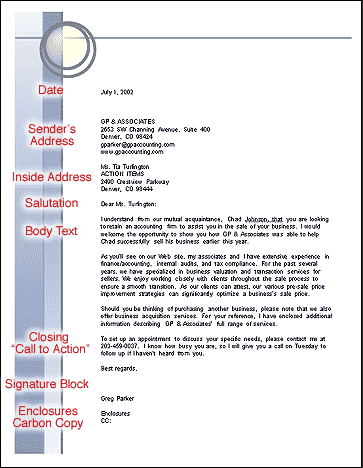
Business letter format. Business letter example.
LETTER ASSIGNMENT HERE.
Today, we gave examples of how the Foundations of Persuasion fit to the various Persuasive Appeals and also gave specific examples of how they all fit together.
The Appeal to Fear: this is often effective, because most people do not like harm or harmful things.
If you do not help stop the genocide, then, soon it will come over here.
If you do not give me your lunch money, then I will beat you up.
If you do not make good grades on your progress report, then I am going to beat your butt!
The Appeal to Novelty: this is often effective because people are either materialistic and want to say that have the latest iPhone, Jeezy CD, etc.... OR people make the assumption that just because technology and education is better that the products are therefore also better because they should utilize these and other advances.
This is the NEW AND IMPROVED......
This is the latest development in Hip-hop,.....
The Appeal to Belief: this is often effective because people are very passionate about their belief systems, i.e. RELIGION and are easily persuaded by things if they believe that God commanded or stated thusly.
W.W.J.D. What would Jesus do? This was a very popular slogan and motivational idiom used, worn, toted, and trumpeted by many in the 1990's.
Whether God, or Allah, or Buddha, or Krishna, Vishnu, Yahweh, or Jehovah, etc... the vast majority of people believe in a Higher Power and therefore are highly influential when it is said or believed that God, god, divine, or god-like figure is involved.
The Appeal to Common Practice: this is often effective because people love to mimic, imitate, or do what others are doing. Also, people are easily convinced by routines. If someone does it all the time, then it must be alright.
Ain't never used to be an acceptable word, but people kept using it, or established a common practice of usage so much that it is now found in dictionaries.
People speed on a daily basis, but you don't get tickets unless you are going crazy fast, i.e. 85+
The Appeal to Consequences: this is often effective because people do not like negative things impacting their life, so long as they are sane.
A good example of this is the use of punishment as motivators when it comes to you doing your chores at home. For instance, you are going to get a whipping, beating, or whatever, if you don't go and clean your room right now. I will cut your phone off if you don't pull up your grades.
Or you are going to get skin cancer and the air you breathe will soon become poisonous if you don't start taking better care of the environment.
The Appeal to Emotions: this is often effective because people do not like to be sad and miserable, and, conversely, they really enjoy being happy, rapturous, and gleeful.
For instance, in commercials with convertibles, restaurants, and games, the users are ALWAYS seen smiling and seemingly having the time of their lives. This is because the advertiser wants you to believe that purchasing this product will make you happy.
On the other hand, you often see commercials, like the feed starving children commercials, which attempt to guilt trip you into donating or sending money.
The Appeal to Popularity: this is often effective because people love to go with the crowd. They love to belong and be accepted. This herd-mentality, is a common well documented phenomenom.
For example, Momma, I need to get these new jeans and J's because everybody at school has them. I don't wanna be a lame!!!! Momma, you gotta help me!!!
No one else is saying that they have their paper, or is saying that they know the answer, so I am going to be quiet and play dumb too.
A good friend said to some students as a warning, "If you play dumb for too long, after a while, you won't be playing anymore."
The Appeal to Ridicule: this is often effective because people hate to be talked about, insulted, roasted, joned, made fun of, etc...
Momma, I am getting snapped on all the time, because I keep trying to hang with my friends, but they don't want me around. You have gotta buy me those Girbaud jeans, with the baby blue Tims. Come on Momma, you don't want your child being harrassed at school. It's hard to concentrate on schoolwork!
The Appeal to Tradition: this is often effective because people like to keep things the same. Although, to some extent, people love change, different is ALWAYS scary because it is unfamiliar. Therefore, if it's been that way for a long time, then why seek to change it.
Think about the many parents in America that lie to their kids about the existence of Santa Claus, the Tooth Fairy, and other Urban Myths or legends solely for tradition's sake.
The Appeal to Spite: this is often effective because people despise haters. People deep down do not like bad people and will get back at them whenever possible.
Think about the smear ads you see, particularly in politics. It is to say, this is a bad person, or this person has done this in their past, therefore do this and pay them back.
THIS IS FUNNY. If you used to watch the show.
Business letter format. Business letter example.
LETTER ASSIGNMENT HERE.
Most Dangerous Game

Sorry about the delay guys and gals. I am rather busy.Here is the link to the story.The picture of me was taken a few years ago at a cabin in Southeast GA where my dad, brother, friends, and other family go to hunt, hike, and/or relax on land we inherited from our great great grand Uncle, a slave, who was able to keep the land his slave-owner bequeathed him in his will, despite all odds.
Most Dangerous Game Intro
First what is "game"?"Game" animals are any animals that are hunted for sport.What are some animals that are hunted as sport?
Big Cats
Lions
Tigers
Cheetahs
Big Herbivores (Plant Eaters)
Bison
Buffalo
Elephant
Hippopotamus
Wildebeest
Big Forest Carnivores (Meat Eaters) /Omnivores (Everything Eaters)
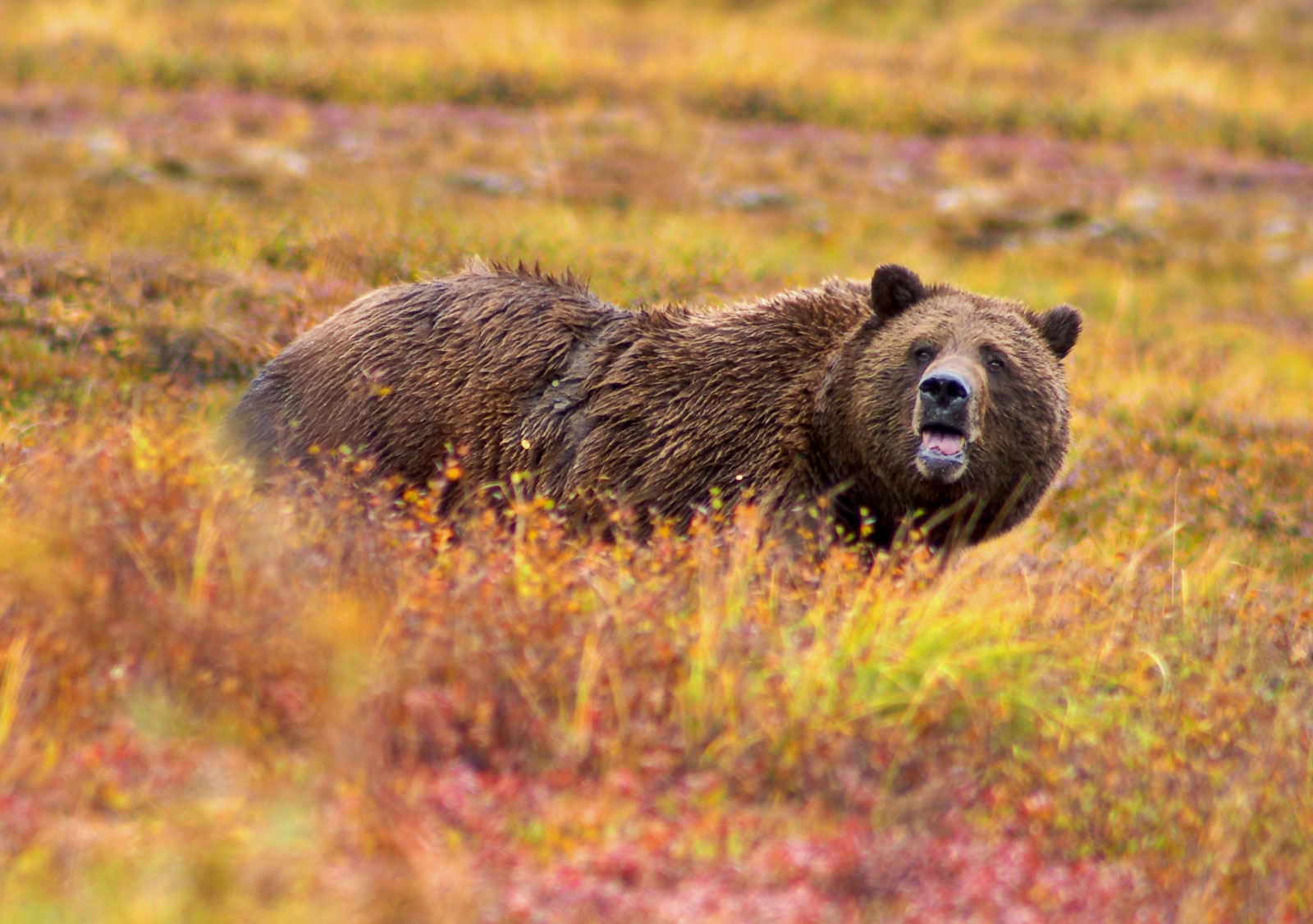
Bears
Grizzly
Polar
Brown
Black
Wolf
Panther/Mountain Lion/Puma
Reptiles/Amphibians
Crocodiles
Alligators
Godzilla
We then discussed what makes these creatures dangerous.
Claws and fangs
Ridiculous power and strength
Monstrous Size
TITAN-SIZE
These are the Notes/Suggestions from the board that needed to be considered during the creation of questions.
Setting
When and Where? Think about how different North America was/is by comparing the Jurassic period to AD or CE, or, you can consider how drastically technology has improved in the last half century. Setting is very important. Also, different geographic regions have different customs and cultural norms. Imagine a character meeting another by bowing. Over here in America, that may sound very odd, however, in Asian countries, where the practice is more common, it would make sense.
Mood
How does the piece of literature make me feel? These stances must be justified with quotes and support. As I said, "Literary commentary and critiques are nothing or invalid without quotes and support."
Characters
Who is in a story?
Motives
Why did this person do ______? This also applies to the legion decisions made by the author, who chooses the career, name, personality, nationality, attitude, education, lifestyle, etc... of the characters. This however is just one small part of the motives that exist. Take some time and think of other motives that exist in literature. Apply them to this text. Grow your brain.
Plot
What happens? Make sure that your plots are intricate. Don't just have a formulaic story where everything is predictable. That sucks and no one wants to read or view that.
Methods
How did that happen? This is very important also, because this is where you make things interesting. This is where you not only show off your intellectual or critical genius, but you also show the depth of the development, cunning and conniving nature of your characters. People love drama, unfortunately, especially when it isn't theirs.
Irony
The opposite of what is logically expected. For example,
An Olympic runner out done by a heavy-set jogger.
A Coast Guard Rescue Diver drowning in a tub. Here the irony is in the function of the character and the setting. Think of the movie, the Guardian.
A thief reporting being robbed to the police.
ETC...
Foreshadowing
A hint the author gives of future events. Someone saying, "Gee, I have a bad feeling about this place." The faded sign that no one notices that says "DO NOT ENTER". etc...
Hyperbole
Extreme exaggeration. I am so hungry I could eat the whole cow; bump one hamburger!
Suspense
Making your audience wait to find out What will happen next, How it will happen, When it will happen, to Whom will it happen, etc...
Funny Horror Youtube video.
DIALOG = A conversation. Make sure that while reading, you identify one example of each type of dialog entry listed below used in the story. Essentially, there are only three ways that dialog is presented in literature.
Mr. Hampton said, "Blah blah blah."
"Blah blah blah," said Mr. Hampton.
"Blah blah blah," said Mr. Hampton. "Blah blah blah."
Also, please add this information to your "Active Reading" notes.
What are your expectations?
What would you do as a character?
What happens or doesn't happen?
What is said or not said?
Here is the link to the story.
Big Cats
Lions
Tigers
Cheetahs
Big Herbivores (Plant Eaters)
Bison
Buffalo
Elephant
Hippopotamus
Wildebeest
Big Forest Carnivores (Meat Eaters) /Omnivores (Everything Eaters)
Bears
Grizzly
Polar
Brown
Black
Wolf
Panther/Mountain Lion/Puma
Reptiles/Amphibians
Crocodiles
Alligators
Godzilla
We then discussed what makes these creatures dangerous.
Claws and fangs
Ridiculous power and strength
Monstrous Size
TITAN-SIZE
These are the Notes/Suggestions from the board that needed to be considered during the creation of questions.
Setting
When and Where? Think about how different North America was/is by comparing the Jurassic period to AD or CE, or, you can consider how drastically technology has improved in the last half century. Setting is very important. Also, different geographic regions have different customs and cultural norms. Imagine a character meeting another by bowing. Over here in America, that may sound very odd, however, in Asian countries, where the practice is more common, it would make sense.
Mood
How does the piece of literature make me feel? These stances must be justified with quotes and support. As I said, "Literary commentary and critiques are nothing or invalid without quotes and support."
Characters
Who is in a story?
Motives
Why did this person do ______? This also applies to the legion decisions made by the author, who chooses the career, name, personality, nationality, attitude, education, lifestyle, etc... of the characters. This however is just one small part of the motives that exist. Take some time and think of other motives that exist in literature. Apply them to this text. Grow your brain.
Plot
What happens? Make sure that your plots are intricate. Don't just have a formulaic story where everything is predictable. That sucks and no one wants to read or view that.
Methods
How did that happen? This is very important also, because this is where you make things interesting. This is where you not only show off your intellectual or critical genius, but you also show the depth of the development, cunning and conniving nature of your characters. People love drama, unfortunately, especially when it isn't theirs.
Irony
The opposite of what is logically expected. For example,
An Olympic runner out done by a heavy-set jogger.
A Coast Guard Rescue Diver drowning in a tub. Here the irony is in the function of the character and the setting. Think of the movie, the Guardian.
A thief reporting being robbed to the police.
ETC...
Foreshadowing
A hint the author gives of future events. Someone saying, "Gee, I have a bad feeling about this place." The faded sign that no one notices that says "DO NOT ENTER". etc...
Hyperbole
Extreme exaggeration. I am so hungry I could eat the whole cow; bump one hamburger!
Suspense
Making your audience wait to find out What will happen next, How it will happen, When it will happen, to Whom will it happen, etc...
Funny Horror Youtube video.
DIALOG = A conversation. Make sure that while reading, you identify one example of each type of dialog entry listed below used in the story. Essentially, there are only three ways that dialog is presented in literature.
Mr. Hampton said, "Blah blah blah."
"Blah blah blah," said Mr. Hampton.
"Blah blah blah," said Mr. Hampton. "Blah blah blah."
Also, please add this information to your "Active Reading" notes.
What are your expectations?
What would you do as a character?
What happens or doesn't happen?
What is said or not said?
Here is the link to the story.
Characterization

While reading create questions about the text. Highlight examples and/or excellent quotes which capture the tone, mood, and skill of this fantastic writer or his work. Also include examples of diction, imagery, characterization, foreshadowing, suspense, similes, metaphors, hyperbole and anything else we can think of. Here are the types of characterization: Direct and Indirect.
Direct
He was tall, dark, and handsome.
This type of characterization is essentially a description given by the Narrator.
Indirect
She immediately perceived him to be the most handsome man she had ever laid eyes upon; it was love at first sight.
This can be seen as characters talking about another character or even his or herself. Also consider gossip and hear-say as instances of indirect characterization.
Please remember to have the story read by Thursday, ready to be discussed and picked apart.
This picture is based on Fractal Geometry, The Mandelbrot Set.
Direct
He was tall, dark, and handsome.
This type of characterization is essentially a description given by the Narrator.
Indirect
She immediately perceived him to be the most handsome man she had ever laid eyes upon; it was love at first sight.
This can be seen as characters talking about another character or even his or herself. Also consider gossip and hear-say as instances of indirect characterization.
Please remember to have the story read by Thursday, ready to be discussed and picked apart.
This picture is based on Fractal Geometry, The Mandelbrot Set.
Pre-writing
Yesterday and today we broke up into groups and began collecting facts and other data to compose the Information or Fact Bank, from which we can write our paper.For the Writing Notes:Essays are the organized, coherent, and rational presentation of ideas and information.Organization: one of the main reasons that we are taking the time to go "Fact Finding" is so that we can better organize our paper instead of just having our first paragraph as the first thing that popped into our minds. By having an Information Bank, we are able to analyze the information we have available to us, and then, figure out what the best organizational pattern would be.The basic organizational patterns are:
Chronological.
Literally translating to time sense, this pattern uses time as a guide for the presentation of a writer's ideas and information. For instance, Biographical literature is often time organized in a chronological fashion, birth, upbringing, youth, young adulthood, adulthood, etc... This should be used when information is scaffolding, or, that is to say, when a person needs one fact to understand another fact.
Spatial. SPACE.
This pattern is very simple to use, because it organizes the paper from shortest point to longest point. That way, the reader is gradually introduced to more lengthy and complex topics rather than beat over the head in the beginning by some highly demanding concept.
Climactic. Importance.
This is a pattern that rates ideas, facts, or information, by importance and has a reader order his or her paper that way. What you achieve here is a sort of warming up effect, just like a runner before a race. You don't want to give your most important fact first as you may not yet have your readers attention.
Topical. Components or Parts.
This pattern derives its organization simply from the parts of the entity being discussed. For example, break down the parts of a watch having a paragraph for each part. This would equal a topical organizational pattern.This Information or Fact Bank will allow us to give our paper rational organization and coherence rather than just putting good information in whatever random order we can fathom.
Chronological.
Literally translating to time sense, this pattern uses time as a guide for the presentation of a writer's ideas and information. For instance, Biographical literature is often time organized in a chronological fashion, birth, upbringing, youth, young adulthood, adulthood, etc... This should be used when information is scaffolding, or, that is to say, when a person needs one fact to understand another fact.
Spatial. SPACE.
This pattern is very simple to use, because it organizes the paper from shortest point to longest point. That way, the reader is gradually introduced to more lengthy and complex topics rather than beat over the head in the beginning by some highly demanding concept.
Climactic. Importance.
This is a pattern that rates ideas, facts, or information, by importance and has a reader order his or her paper that way. What you achieve here is a sort of warming up effect, just like a runner before a race. You don't want to give your most important fact first as you may not yet have your readers attention.
Topical. Components or Parts.
This pattern derives its organization simply from the parts of the entity being discussed. For example, break down the parts of a watch having a paragraph for each part. This would equal a topical organizational pattern.This Information or Fact Bank will allow us to give our paper rational organization and coherence rather than just putting good information in whatever random order we can fathom.
Saturday, September 27, 2008
Subscribe to:
Posts (Atom)