Which issue or predicament faced by Odysseus has been the most difficult or most interesting?
Where did this take place/setting?
What were the conflicts?
Summarize the problem.
Discuss the solution and improve upon it if possible. If you can’t improve it, explain why it was the best solution.
Explain the lesson(s) learned by Odysseus.
Tuesday, March 31, 2009

Saturday, March 28, 2009
My Atlanta Water Company Complaint Letter (Rough Draft)
Charles Edgar Hampton
123 Sesame St.
Atlanta, GA 12345
March 28, 2009
Department of Watershed Management
ATTN: Commissioner Robert Hunter
55 Trinity Ave.
Atlanta, GA 30303
Greetings,
My wife and I had a house built in Atlanta, GA during the Spring of 2008. Many times during the erecting of the building we visited, asked questions, took pictures, and were vigilant in the inspecting and learning about what a major and wonderful commitment we were making. The construction was finished in mid-May and we closed on the house on May 23, 2008. We were then informed by the builder and subdivision representatives, exactly what we needed to do to transfer all of the utilities to our names, which we did. We were instructed to fax or mail you all the settlement statement, which we did in June of 2008. This was the limit of our responsibility. Yet, for some unknown reason, as stated by Atlanta Watershed, the account was not setup.
Since our account was not setup, we did not receive a bill, but that was not immediately alarming, because the mortgage lapses for a month. So, after setting up all the other utilities, we discovered that some are quarterly, like sanitation, therefore, since we had not yet received a water bill and had done what we were instructed and required to do, we continued to wait. You must understand that this was my first time living on my own and was also, as a result, my first house.
Nevertheless, in November after the three month mark when a quarterly bill should have been received, I rushed up to the Watershed Management building after work to inquire to the apparent problem with our account. It was at this time that the account was finally setup properly, or so I thought. The meter reader upon inspecting my meter noted that it was broken, but I, the owner of the house/account, was not notified, nor was anyone sent to fix the meter. Through December the meter continued to be broken without my being informed. The water company then allegedly proceeded to send my house a bill, which I have yet to receive.
Consider then my surprise, when I do finally receive a bill in the mail with the gargantuan and daunting heftiness of $486.31. I was appalled and upset, but not irate. I took the time to inspect the pipes for leaks, after reading the information on the Atlanta Watershed Management website; however, of course no leak was found. I cut the water off to the house at the main water valve in the home and listened for activity with the meter at the sidewalk, but none was observed or perceived. I did however note that there was dirt in the window of the meter, but I saw wires going into the thick mud also and figured that there was some new more advanced technical way of reading the meter, which replaced the antiquated and now obsolete manual meter.
Moreover, much to my dismay and displeasure, this January bill, which was also supplemented by the undelivered, unreceived and therefore unpaid December bill, was purported to be the result of an actual reading. Yet, the account still lists the meter as broken since November and as of this day, March 28, 2009, unfixed. How is it possible that a broken meter, that hasn’t functioned for two weeks, going to suddenly start working correctly two months later? It is impossible. Regardless to this irrefutable fact, the bill went out, no one double checked the facts, and no one cared to assess the inspector, reader, or supervisor’s reports on this account. Recalling that recently the banking system has already nearly foundered and has debilitated this country to the haggard state of recession due to a lack of oversight, and apparently, the water system here in Atlanta, is faced with this same leeching crisis of lack of proper revision or supervision.
Though my troubles are in no way over regarding my wretched experiences with this company, I do want to state clearly and emphatically that it is not my intention to cause anyone trouble or to lose their job, for surely there is enough economic trouble for honest and hard working citizens and/or residents of Atlanta. The purpose of this text is to simply request change; overhaul the policies.
Returning to the issues, please recall that I now have an alleged accurate/actual bill with a broken meter. The reason I am told that my meter remained in such a state of disrepair, is because it was to be fitted with an AMR (automatic meter reader) device. Yet, why would this need to be done, considering the wires that I previously mentioned are in fact that device? This again, shows a complete negligence on behalf of this company in regards to accuracy, honesty, integrity, and customer service.
Irregardless to all of these problems, which were at that point in time, January 2009, unknown to myself, I paid the behemoth bill on time. Assuming the bill was backdated, I accepted the large amount as plausible and probable for nearly eight months of water usage, but unfortunately, I was very incorrect. Next, February was upon my household and it was time for the next bill. When it arrived, much to my dismay and duress, another rather large bill was awaiting my trite budget. Its amount was $240.36 and was, with the grace of God, paid on time.
Again, I must remind you that I have never paid utility bills before and was already battling with repetitive $280 dollar natural gas bills, so I devoted my energies to that first, figuring that again, these hearty water bills must the result of them lingering from the lack of an earlier bill. I didn’t know what was going on. I figured, I guess this is why many people that are just starting out get apartments first. But, I was uneasy and unsettled with my utilities.
Patiently, I resolved the natural gas problem and March approaches, bearing gifts of papers demanding principals and other payments. Atlanta Watershed Management, $240.36, the same exact amount again defiantly and stubbornly stood in front of me. At this point I called to discuss this with someone and find out exactly what was happening with the liquid H20 of 123 Sesame St. in Atlanta, Georgia.
I finally had the veil removed and my eyes were at last open; I was informed that all of my bills were estimated, because I had a broken meter. Trust me when I say that I was highly upset, but did not lash out, because that is not my nature, path, or style. I handled this financial debacle with class and professionalism, I requested to speak with a manager. I was resolute to discover, why a reasonable, logical, and/or reasonable person estimate a bill so astronomically high if it isn’t working? It isn’t like my wife and I have kids or a pool, for any cursory inspection would verify this, but such a rational step was not taken. Instead, someone allowed what I liberally and frankly call greed to push them into making a completely immoral and frivolous claim in regards to the immense amounts owed monthly to the Atlanta Watershed Management company, which is under your leadership.
My wife and I find ourselves less $726.67, an intensely significant amount of money to a single income family, let alone at an economic time such as this, all due to preventable errors, which were allowed to remain and be perpetuated by many at your company. My wife is in law school, she studies all day and attends classes in the evenings, while I teach all day, and coach golf in the early evening, to help supplement our already halved income. $726.67 is in no way something I can just overlook and accept, especially when its origins are misfeasance, nonfeasance, disinformation, and misrepresentation. In short, the setup, inspection, and maintenance of my account, which should have taken place in June of 2008 by a credible, professional, well-run company, will now happen, over a year later. Why the substandard service?
My simple request is that the following items be entered into the policies that your company abides by:
- Someone needs to ensure that broken meters get fixed in a timely manner,
- Someone needs to ensure that the information contained in account records is accurate,
- Estimations should be practical and reflect the mean usage of the appropriate occupancy,
- Over-payment of bills resulting from errors made by the company should be refunded immediately if requested by the customer and automatic if the amount is $300 or greater.
- Managers/Supervisors should have some sort of executive powers/control so that in situations like mine, immediate action will be taken,
- Customers absolutely must be fully informed of the best intelligence available within 5 business days if a problem is discovered with their meter.
If these are already in existence in your organization, then they are not in the least bit being enforced, applied, enacted, etc, and this is not acceptable.
Nearing the end of this correspondence, there is a corollary example I want to share with you. I also relayed this to the young lady I spoke with, who I spoke with on the phone, and by the way, all employees encountered were apologetic, professional, knowledgeable, and cordial, particularly, Ms Schavis and Ms. Salethia Graham. As the man of my household, it is unacceptable for me to note a problem, ignore it, allow it to fester and worsen, then punish my wife for it, making her pay for my neglect, and tell her that it will take four months for me to fix the problem. After this, I finally execute the appropriate measures while simultaneously holding onto her money while I can use it to purchase other things I want or need. This would make me a sorry man, yet this company is not a man, therefore, all I can say is that this is sorry customer service. The callous treatment of my time, money, and quality of life is irreprehensible and horrendous. This is unacceptable, but unfortunately, no deregulation has taken place. I cannot take my business elsewhere, as I can with Scana or MX Energy, when I have been wronged by Georgia Natural Gas. So, I utilize my only and hopefully most effective resource, which is the pen (well, word processor) and wield it as adeptly as I can to ask for the changes to the illogical and debasing policies of the Atlanta Watershed Management company. Finally, I request a refund of $500, and that the remaining $226.67 remain on the account as a credit, so that when everything finally clears and the sediment settles to the bottom, that neither party is lacking unduly.
Please let me know what you think of my request and respond to me at your earliest convenience. I did not go to the media, because I believe that there are many ways to handle adverse situations and I believe that this is the appropriate first step in seeking resolution to my issues. I hope to hear from you soon and look forward to positive and progressive dialogue.
Thank you for your time,
Charles Edgar Hampton, M.Ed.
Customer
Monday, March 23, 2009
Odessey Preparation
After viewing excerpts of the film Troy and answering the following questions:
1st period is on Book 12.
Interesting art website concerning the Odyssey.
- What does Achilles' initial reaction to Boagrias tell us about his skills and his attitude?
- Paris steals another man’s wife. What kind of man steals another man’s wife?
- What is the conflict between Hector and King Priam and his advisors? What does this have to do with old school versus new school?
- Why does Patrocles fight like Achilles?
- Why does Achilles fall in love?
- What is another example of old school versus new school conflict?
- What do you think about the end of the movie?
1st period is on Book 12.
Interesting art website concerning the Odyssey.
Thursday, March 12, 2009
Greek god Quiz
1. If you were on fire, *AAAGH!!!!!!*, who would you call for help?
2. If you were about to be hit by an oceanic tidal wave, who would call for help?
3. If you were having trouble with money, then who would you call for help?
4. If you were falling out of the sky, then who would you call for help?
5. If you were starving to death in the forest, who would you call for help?
6. If you were bad all your life and heading to the underworld, who would you ask to not let you in?
7. If you were in need of a really killer sword for a gigantic battle, who would you call for help?
8. If you were not prepared for this quiz and needed to have wisdom, then who would you ask to help you become wiser?
9. If you were having trouble with your farm and could not grow any plants, who would you call for help?
10. Finally, if you are being chased by a green ghost that is sliming everything and everybody, “Who you gonna call?”
2. If you were about to be hit by an oceanic tidal wave, who would call for help?
3. If you were having trouble with money, then who would you call for help?
4. If you were falling out of the sky, then who would you call for help?
5. If you were starving to death in the forest, who would you call for help?
6. If you were bad all your life and heading to the underworld, who would you ask to not let you in?
7. If you were in need of a really killer sword for a gigantic battle, who would you call for help?
8. If you were not prepared for this quiz and needed to have wisdom, then who would you ask to help you become wiser?
9. If you were having trouble with your farm and could not grow any plants, who would you call for help?
10. Finally, if you are being chased by a green ghost that is sliming everything and everybody, “Who you gonna call?”
Wednesday, March 11, 2009
Greek god Family Tree and Talents
We have discussed and reviewed the following information.
Greek Family Tree
Explanation of Greek gods Abilities and Responsibilities
Explanation of the Seasons, Demeter, Persephone, and Hades
Greek Family Tree
Explanation of Greek gods Abilities and Responsibilities
Explanation of the Seasons, Demeter, Persephone, and Hades
Thursday, March 5, 2009
Tragic Hero
What does it take to be a tragic hero?
Who is ALWAYS a person.
That is ALWAYS an object or thing.
Potential Examples:
What does it take to be a tragic hero?
Who is always a person.
That is always an object.
POTENTIAL EXAMPLES:
HOMEWORK
Realizing the true definition of a tragic hero, please take the time to identify and explain one example of a tragic hero.
- V. Clay- Courageous, doest htings that others normally wouldn't do. Intellingence and cunning, must be clever to decipher the plans and schemes of the villain and be smart enough to know how to stop him or her. Disciplined, able to show sympathy and yet, stern.
- U. Ewo- Caring, loving, emotionally prepared, brave/bold, uplifting, strong. Whatever emotional drama gets thrown the hero's way then he or she needs to be prepared to handle it.
- E. Thomas- Able to handle situations, not over-react, nice, kind-hearted.
- J. Rogers- Gotta be willing to lay it all on the line and never second guess yourself.
- J. Nelson- Patient, because it may take a while to solve the problem and you can never give up. You must have a "fly" costume. Physically and mentally fit, must be able to handle the drama in both ways.
- S. Thompson- strength and endurance, determination, dedication. Someone that survives cancer like Lance Armstrong. Supercedes expectations! Unafraid of a challenge, Warrior Spirit.
- P. Cokely- Responsibility, Leadership, Focus, Confident.
- B. Hines- Energy, time, and devotion, so that they can put themselves aside to help someone in a crisis, and expects the unexpected.
- M. Fritz- Determination, Willingness to help and devotion,
- M. Quist- A Hero is someone who has been through some bad times and has bounced back from a terrible situation.
- G. Rankins- Looked at as honorable and heroic, but that is only the result of experiencing something horrible or tragic.
- A. Long- Respect of leadership and be ready to serve the people, so that they can look up to him.
- B. Fullwood- A hero Must believe in his or herself, but not putting too much pressure on yourself.
Who is ALWAYS a person.
That is ALWAYS an object or thing.
Potential Examples:
- Ewo: Taxpayers, who pay for welfare and education. Foster care parents who take in orphans. Oprah, she does nice things for Africans. Jesus, because He died for us.
Kelley: Doctors who help people who are ill. Police Officers and Firefighters. Parents. The Autobots from the Transformers. - M. Fritz- Jet Jackson, A spy who helps people by investigating mysteries. Hancock, because he helps people who are in distress. Mr. Incredible, because he saved the city and eventually the world.
- M. Terry- Avatar, he saves the world from the bad guys. Blade kills the vampires.
- V. Clay- Naruto, he saves people all the time and puts his life in danger/at risk. Moses, because he parted the Red Sea, saving the Israelites.
- J. Nelson- Martin Luther King Jr., because he paved the way for Black people, and made Obama possible; anti-segregation. Madea, is always taking in down-trodden or suffering people by taking em into her home. Charmed, because the good witches save people. Buffy the Vampire Slayer.
- G. Rankins- "Tennessee"'s Dad, who saved his son by running from the car that was being carjacked and being a sacrifice. Civil Rights marchers, because they were brutalized and sometimes killed by angry mobs. Doctor Octopus that saved New York, by taking the Sun-like object with him to his death, by drowning in the river/lake. Kenny from South Park, he's always doing good things for people, but he always dies every episode.
- R. Johnson- Roshach, because he saved most of the people in the city, and solved the mystery of who killed his friend. Dr. Strange, Because he saved the world from a villian, Braniac.
- K. Kelley- Blart, from Mall Cop, who saved the people who were being kidnapped/held hostage. Will Smith takes a bullet for Carlton in the Fresh Prince of Bel-Air.
- S. Thompson- Harry Potter, even though Voldemort killer his parents, he doesn't get caught up in this and still takes the time to save others. Malcolm X, because he believed in education, and argued that people deserve equality and should attain/do certain things, "by any means necessary". Lion King, Simba. Superman, potential modern day Jesus.
- B. Fullwood- Batman because he fights crime since his parents were murdered in front of his face. Rosa Parks, because she essentially sparked of the desegregation movement. Noah, because he saved all the animals and his family during the "Great Flood".
- M. Quist- Will Smith in "I am Legend", because he sacrificed his life to save all the people from the disease.
What does it take to be a tragic hero?
- A. Scott- A tragic hero will sacrifice his or her life for you (a potential victim). God.
- S. D. Brooks- A person who comes to your aid, during a type of tragedy. A person who dies under tragic circumstances or during a tragic event. A person who grows up overcoming adversity or during the roughest times, but is able to become a role model later on.
- J. Roper- A hero who does something unrecognized by the general public and only a few understand what he or she has done for the masses.
- T. Brooks- A person who tries to save people from tragedy.
- C. McNair- Anyone who can help a person.
- O. Allen- A heroic person that comes to another person's aid who is in danger.
- A. Dunmeyer- It takes a person to do good without reward to be a hero, but it takes a person to die doing good to be a tragic hero.
- B. Palmer- A person that is willing to risk their life for someone whom they love.
- L. Blackshear- A person who becomes a hero first and they always do things that are tragic to their health.
- L. Bryant- A person who does not survive a battle.
- W. Boozer- A person that makes a sacrifice during a tragedy and therefore becomes a hero.
- C. Brown- Somebody who is willing to save someone else during a tragic event.
- K. Mitchell- A bad person that is trying to do the right thing, but ends up dying on that path and also, might lose someone that they love.
- C. Shaw- An average person.
Who is always a person.
That is always an object.
POTENTIAL EXAMPLES:
- J. Roper- Wolverine killing Jean Grey/The Phoenix to save everyone, because that is what she wanted, and he was the only one who could do it, but he loved her; and no one wants to kill the one whom they love.
- S.D. Brooks- Obama, Oprah, Batman. They grew up with very tough lives and past, and became inspirations for others.
- A. Scott- Police Officers/ 5-0. They lock up criminals and bad citizens, who try to cause tragedies in society.
- W. Boozer- Denzel Washington's character dying in the movie Dejavu to save the girl who he loves.
- J. Tucker- Harry, the Son of the Green Goblin, who risked his life to save Spiderman, Peter Parker and ended up dying in the process.
- L. Bryant- The victims of 9-11, particularly the firefighters and policemen, the soldiers in the army, navy, air force, etc. Superman and all the heroes.
- C. McNair-Optimus Prime in the Transformers.
- C. Shaw- A kid experiencing a house fire, growing up to be a firefighter.
- A. Dunmeyer- Doomsday/Superman. Leonardo DiCaprio's character in Titanic. King Kong. Goku being killed by Piccolo when fighting Raditz.
- * The hero discovers his fate by his own actions, not by things happening to him.
- * The hero sees and understands his doom.
- * This likely causes self-pity and imputes fear into the hero(ine).
- * A tragic hero is often of noble birth, or rises to noble standing.
- * The hero learns something from his/her mistake.
- * The hero is faced with a serious decision.
- * The suffering of the hero is meaningful.
- * There may sometimes be supernatural involvement (in Shakespeare's Julius Caesar, Caesar is warned of his death via Calpurnia's vision and Brutus is warned of his impending death by his evil spirit).
- * The hero is physically or spiritually wounded by his experiences, often resulting in his death.
- * The Shakespearean tragic hero dies at some point in the story, for example Macbeth. Shakespeare's characters illustrate that tragic heroes are neither fully good nor fully evil. Through the development of the plot a hero's mistakes, rather than his quintessential goodness or evil, lead to his tragic downfall.
- * The hero of classical tragedies is almost universally male. Later tragedies (like Shakespeare's Antony and Cleopatra) introduced the female tragic hero. Portrayals of female tragic heroes are notable because they are rare.[2]
Some common traits characteristic of a tragic protagonist/hero:
HOMEWORK
Realizing the true definition of a tragic hero, please take the time to identify and explain one example of a tragic hero.
Thursday, February 19, 2009
Types of Poetry Review/Recap
Today we broke up into groups of five students.
The groups picked a type of poetry to discuss, explain, exemplify,
Developed a presentation or description of the selected poetic form,
Created examples of those poetic forms,
Then Presented that information to the class.
Shakespearean Sonnet Information
Types of Poetry Sheet
The groups picked a type of poetry to discuss, explain, exemplify,
Developed a presentation or description of the selected poetic form,
Created examples of those poetic forms,
Then Presented that information to the class.
Shakespearean Sonnet Information
Types of Poetry Sheet
Friday, February 13, 2009
Notebook Check #2/Class Participation 6 & Major Paper #1
Notebook Check #2/Class Participation 6
List of Terms found in the best essay,
Organized Outline of terms,
Topic and Writing reflecting your work.
MAJOR PAPER #1
Turn in the TP-FLASSTT and the 10 Point Analysis completed as well as the essay itself. This should all be staple or secured together and turned in today.
List of Terms found in the best essay,
Organized Outline of terms,
Topic and Writing reflecting your work.
MAJOR PAPER #1
Turn in the TP-FLASSTT and the 10 Point Analysis completed as well as the essay itself. This should all be staple or secured together and turned in today.
Context Clues Notes
Context Clues Notes
NY Times article read to discover the definitions of words using context clues notes.
- Check capitalized words.
Proper Nouns, people's, places, buildings, organization's, magazines, etc. Names - Check the surrounding nouns and verbs and date(s).
- Choose definitions and synonyms that resemble/reflect the other words in the sentence.
NY Times article read to discover the definitions of words using context clues notes.
Wednesday, February 11, 2009
Writing Structure and Context Clues
Michael Phelps article discussed in class.
You should now be writing a short or complete essay planned using your outline. Afterwards, for homework, you are to correct/check your paper against the material from the outline, of course, whatever is or isn't missing should be added.
Continue to practice discerning the meaning of words by understanding them in context and switching them out with words that you already know.
You should now be writing a short or complete essay planned using your outline. Afterwards, for homework, you are to correct/check your paper against the material from the outline, of course, whatever is or isn't missing should be added.
Continue to practice discerning the meaning of words by understanding them in context and switching them out with words that you already know.
Monday, February 9, 2009
What are the major components of an essay?
What are the major components of an essay?
2nd Period
1st Period
CREATE AN OUTLINE USING THE PREVIOUS TERMS. THIS OUTLINE MUST CATEGORIZE THE PREVIOUS TERMS INTO THEIR PROPER ORDER AND/OR GROUP. YOU MAY NEED TO INSERT ADDITIONAL WORDS INTO YOUR BANK TO COMPLETE THE OUTLINE. MAKE SURE THAT THIS OUTLINE REPRESENTS THE BEST OF YOUR GROUP'S ABILITY TO COMPLETE AN SCHOLARLY ESSAY.
HOW DO I CREATE AN INTELLIGIBLE AND USEFUL OUTLINE?
2nd Period
- Thesis Statement
- Introduction
- Conclusion
- Body Paragraph
- Main Idea
- Supporting Details and/or Specifics
- Vocabulary/Diction
- Attitude/Tone
- Mood
- Theme
- Structure
- Imagery
- Style
- Quotes
- Explanation
- Value
- Examples
- Idiom
- Sentence Structure; Compound, Simple, Compound-Complex, Complex, COMPLETE
- Title Analysis,
- Hyperbole
- Metaphors,
- Literary Elements
- Figurative Language
- Irony
- Figures of Speech,
- Onomatopoeia
- Sentence Types: Exclamatory, Declarative, Imperative, Interrogatory
- Grammar/Grammatical Correctness/Grammatically Correct
- Audience
- Consistent/Coherence
- Alliteration
- Assonance/Consonance
- Interjections
1st Period
- Topic and Subtopics
- Main Ideas
- Supporting Details and/or Specifics
- Conclusion Paragraph
- Transitions
- Body Paragraphs
- Introduction Paragraph
- Thesis Statement
- Title
- Summary
- Indents
- Correct Punctuation
- Sentence Forms: Complex, Compound, Complete, Simple, Complex-Compound
- Vocabulary, Diction
- Imagery,
- Literary Elements,
- Similes,
- Metaphors,
- Repetition,
- Personification,
- Hyperbole,
- Alliteration,
- Allusions,
- Onomatopoeia,
- Idioms,
- Capitalization
- Audience
- Sentence Types: Declarative, Interrogative, Exclamatory, Imperative
- Prepositional Phrases
- Appositives
CREATE AN OUTLINE USING THE PREVIOUS TERMS. THIS OUTLINE MUST CATEGORIZE THE PREVIOUS TERMS INTO THEIR PROPER ORDER AND/OR GROUP. YOU MAY NEED TO INSERT ADDITIONAL WORDS INTO YOUR BANK TO COMPLETE THE OUTLINE. MAKE SURE THAT THIS OUTLINE REPRESENTS THE BEST OF YOUR GROUP'S ABILITY TO COMPLETE AN SCHOLARLY ESSAY.
HOW DO I CREATE AN INTELLIGIBLE AND USEFUL OUTLINE?
Thursday, February 5, 2009
Wednesday, February 4, 2009
Road Not Taken Group Analysis Information
Here is some of the information presented by you or your peers during class.
THEME:
PARAPHRASING:
The speaker is having trouble choosing which path to take in life. "Two roads diverged in a yellow wood sorry I could not travel both" In life you chose your path, but sometimes you can't start over and take another one or try again if its a bad one. "and both that morning equally lay, in leaves no step had trodden black," "somewhere ages and ages hence," he is growing old and looking back over his life and the path he has chosen. "I took the one less travelled by and that has made all the difference." This difference is a good different. Needs an explanation. "I shall be telling this with a sigh," A sigh can be negative or positive explain. "Yet knowing how way leads on to way, I doubted if I should ever come back." He was happy and satisfied with his choice because he would do it over again.
THEME:
- It is important to take the paths in life that are uncommon.
- Don't do what everybody else is doing, but be different.
- Live life in your own direction, make/take your own path.
PARAPHRASING:
The speaker is having trouble choosing which path to take in life. "Two roads diverged in a yellow wood sorry I could not travel both" In life you chose your path, but sometimes you can't start over and take another one or try again if its a bad one. "and both that morning equally lay, in leaves no step had trodden black," "somewhere ages and ages hence," he is growing old and looking back over his life and the path he has chosen. "I took the one less travelled by and that has made all the difference." This difference is a good different. Needs an explanation. "I shall be telling this with a sigh," A sigh can be negative or positive explain. "Yet knowing how way leads on to way, I doubted if I should ever come back." He was happy and satisfied with his choice because he would do it over again.
Monday, February 2, 2009
Major Paper Preparations
Today we broke up into groups/stations and concentrated on one particular element in TPFLASSTT of the poem, "The Road Not Taken", by Robert Frost.
In our groups/stations, we concentrated on finding the following four things:
The last thing that we needed to do was to organize the information collected by our "expert" group into a few paragraphs or points that could be presented to the class tomorrow.
In our groups/stations, we concentrated on finding the following four things:
- Quotes
- Let's your reader know that you know and can support what you claim with data/information from the poem/TEXT
- Examples
- Let's your reader know that you know what you are talking about in regards to your knowledge of literature, what literary elements are present.
- Explanation
- Make sure that you successfully tie together the quote and the example, so that they are no more twain, but one.
- Value
- Explain how the poem is better as a result of the author's phrasing/diction. What ways would have been less poetic/profound/beautiful?
The last thing that we needed to do was to organize the information collected by our "expert" group into a few paragraphs or points that could be presented to the class tomorrow.
Thursday, January 29, 2009
Albatross Allusion from "The Rime of the Ancient Mariner"
This poem, by Samuel Taylor Coleridge, documents an unfortunate tale of one sailor's horrible ordeal at sea.
The Rime of the Ancient Mariner
The Rime of the Ancient Mariner
Wednesday, January 28, 2009
Tuesday, January 27, 2009
Cold Poem Analysis Trial
| The Road Not Taken |
|---|
| by Robert Frost |
| Two roads diverged in a yellow wood, |
| And sorry I could not travel both |
| And be one traveler, long I stood |
| And looked down one as far as I could |
| To where it bent in the undergrowth: |
| Then took the other, as just as fair, |
| And having perhaps the better clain, |
| Because it was grassy and wanted wear; |
| Though as for that, the passing there |
| Had worn them really about the same, |
| And both that morning equally lay |
| In leaves no step had trodden black. |
| Oh, I kept the first for another day! |
| Yet knowing how way leads on to way, |
| I doubted if I should ever come back. |
| I shall be telling this with a sigh |
| Somewhere ages and ages hence: |
| Two roads diverged in a wood, and I-- |
| I took the one less traveled by, |
| And that has made all the difference. |
You should utilize all the skills discussed for analyzing poetry and apply them. In other words you should do the following:
- Title Analysis
- Scan for unfamiliar words
- Read twice or more as needed
- Write down initial reaction
- Analyze poem with TPFLASSTT and 10 Point Analysis, but don't overwork yourself by duplicating tasks in the TPFLASSTT and the 10 Point Analysis
Friday, January 23, 2009
Notebook Check #1
Today we had our first Notebook check of this Semester. It consisted of checking the following assignments,
- Jenny Kiss’d Me
- How does Jenny feel about the person kissed?
- Discuss the relationship between the one positive mention of the kiss and the things mentioned that are negative.
- Also, the 10 point analysis should have been completed for this poem.
- The Lake Isle of Innisfree
- What does the author include to convey images or connotations of peace and tranquility?
- Also, the 10 point analysis should have been completed for this poem.
- “WE WEAR THE MASK”
- What the World Needs Now
- Your Obama Poem
- Must be Completed
Thursday, January 22, 2009
Poem Analysis
How to analyze Poetry?
FOR THE POEMS, Jenny Kissed Me and The Lake Isle of Innisfree PLEASE RESPOND AND DOCUMENT THE FOLLOWING:
1. Stanza number and type
2. Rhyme Scheme
3. Theme
4. Mood
5. Tone
6. Imagery
7. Interpretation
8. Relation to Historical Context
9. Author Bias
10. Audience
FOR THE POEMS, Jenny Kissed Me and The Lake Isle of Innisfree PLEASE RESPOND AND DOCUMENT THE FOLLOWING:
1. Stanza number and type
2. Rhyme Scheme
3. Theme
4. Mood
5. Tone
6. Imagery
7. Interpretation
8. Relation to Historical Context
9. Author Bias
10. Audience
Vocabulary Words for Quiz #1
- Candor: noun, truth
- Candid: adj., truthful
- *WHO CAN FIGURE OUT HOW CANDY IS RELATED TO TRUTH, SINCE THE ROOT IS "CAND", OR IS THAT THE ROOT? HOW IS CANDY TRUTHFUL, OR HOW IS THE TRUTH SWEET?*
- Vernacular: VOCABULARY
- Trite: weak or worthless due to overuse
- Facetious: not serious, or false, untrue
- Tranquility: noun, peace
- Tranquil: adj, peaceful
- Veil: noun, something that covers
- Influx
- Visage
- Tedious
- Braggadocios
- Braggart,
- Brag,
- Circumvent, THINK CIRCLE CIRCUMFERENCE ROUND
- Segue, PICTURE HERE THINK SEGMENT, CONNECTING ONE THING TO ANOTHER, THE FADING/MIXING OF TRACKS BY A D.J.
- Plethora, THINK PLENTY
- Myriad, THINK OF MANY MIRRORS, THE OPTICAL ILLUSION THAT PRODUCES MANY OPTICAL ILLUSIONS
- Farce, THINK FALSE, ACTIVE DECEPTION.
- Façade, THINK FALSE FACE, POSER, TWO-FACED, FAKER, MORE PASSIVE, MISREPRESENTATION
- dirge
- survey,
- hewn,
- hone
- rift
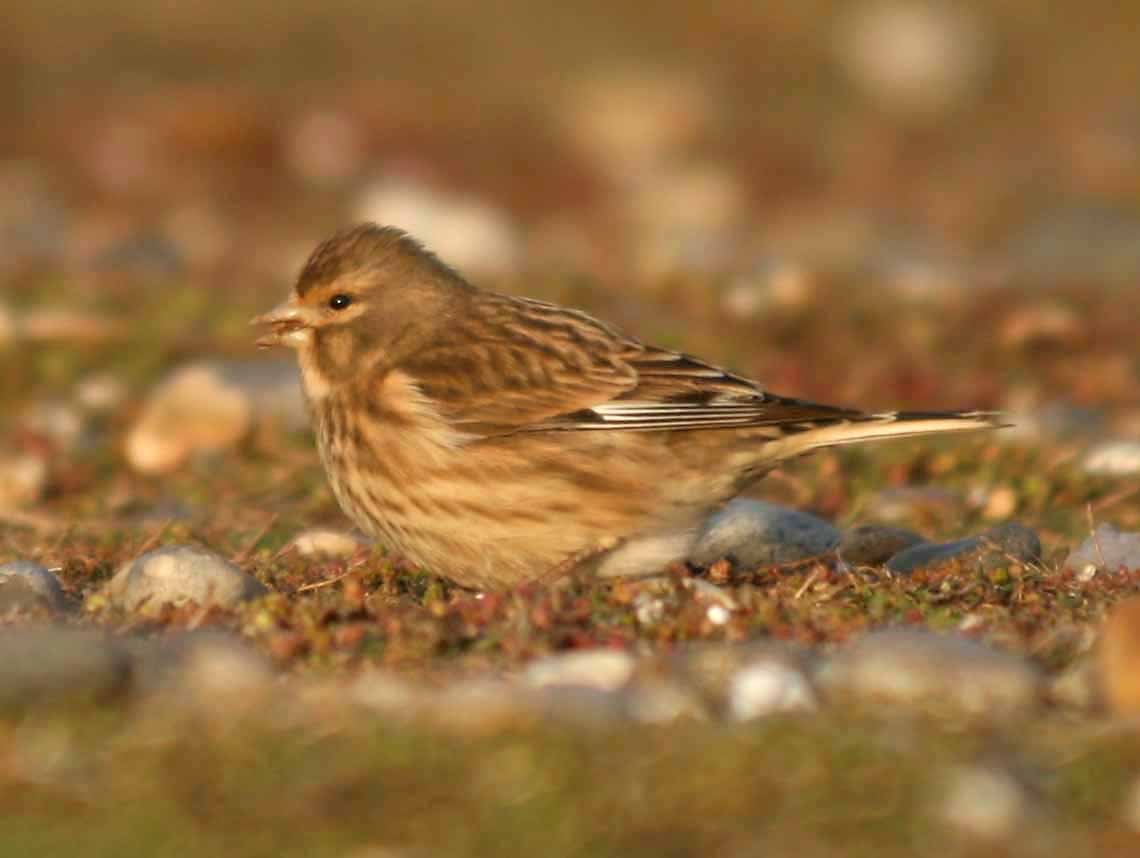
- Linnet
- Glade
Wednesday, January 21, 2009
Tuesday, January 13, 2009
TPFLASSTT
T | Title Anticipate Meaning Create Questions? | ... |
P | Paraphrase What is the poem about? Compose two-four sentences or paragraphs, depending on the length. | ... |
F | Figurative Devices Look beyond the literal, but venture towards figurative and metaphorical interpretations. How do these affect the meaning/feeling? | ... |
L | Literary Elements/Techniques Analyze this poem as a literary critic or adept language arts student, identify any literary elements/techniques that you see allusions, repetition, etc... How do these affect the literary and/or interpretive value? | ... |
A | Attitude Analyze narrator's and poet's attitude toward the topic (tone). | ... |
S | Shifts Note shifts in tone, subject, speaker, situation, diction, outlook, expectation(s) etc... think deeply and get creative. | ... |
S | Symbolism Search the poem for possible symbols which cloak or mask the author's true feelings, focus, and/or point. If there are any symbolic items, why do they exist (historical context, author relevance/bias may be important factors)? | ... |
T | Title Re-think the meaning of the title, in light of all the previously discussed and analyzed information. Is it different, why or why not? For future reference, what did you miss in your speculation that you should have seen in hindsight? And, vice versa, what did you assume was there that wasn't? Understand that and move forward. | ... |
T | Theme What is the poem saying? What is the "message?" | ... |
Poetry Terms to Know
- Alliteration—the repetition of beginning consonant sounds.
- Allusion—a reference to a mythological. literary. or historical person. place or thing.
- Apostrophe—a form of personification in which the absent or dead are spoken to as if present and the inanimate as if animate.
- Assonance—the repetition of vowel sounds in a series of words.
- Blank Verse—iambic pentameter unrhymed.
- Conceit—very elaborate comparisons between unlikely objects. The metaphysical poets such as John Donne were criticized for "yoking" together outrageous teams.
- Consonance—the repetition of a consonant sound with a series of words to produce a harmonious effect.
- Diction—word choice. Is the poet using formal or informal language? Does the poetry hinge on slang or a dialect? If so, what is the purpose?
- Enjambment—the running-on of one line of poetry into another.
- Free Verse—verse free of meter and, generally, rime. Depends on rhythmical units, repetition, and parallelism.
- Hyperbole—a deliberate, extravagant and often outrageous exaggeration. It may be used for either serious or comic effect.
- Iambic Pentameter—a line of ten syllables using the pattern of unstressed/stressed.
- Imagery—the use of words to represent things, actions, or ideas by sensory description.
- Irony—the discrepancy between appearance and reality.
- Verbal irony is the result of a statement saying one thing while meaning the opposite. Its purpose is usually to criticize.
- Situational irony occurs when a situation turns out differently from what one would normally expect, though often the twist is oddly appropriate.
- Dramatic irony occurs when a character says or does something that has more or different meanings from what he thinks it means, though the audience and/or other characters do understand the full ramifications of the speech or action.
- Metaphor—an implied comparison.
- Metonymy—the name of one object for another with which it is closely associated.
- Onomatopoeia—the use of words in which the sounds seem to resemble the sounds they describe.
- Oxymoron—a form of paradox that combines a pair of contrary terms into a single expression. This combination usually serves the purpose of shocking the reader into awareness.
- Paradox—a situation or action or feeling that appears to be contradictory but on inspection turns out to be true or at least to make sense.
- Personification—a kind of metaphor that gives inanimate objects or abstract ideas human characteristics.
- Rhyme—similarity of sounds, usually at the end of lines.
- Perfect—identical sounds (dead/red)
- Slant (Near, Off-)—sounds that are close but not identical (down/then)
- Eye—words that look as if they sound alike (move/love)
- Rime Scheme—the riming pattern found in a poem
- Sarcasm—a type of irony, often bitter (or nasty) whose purpose is to injure or hurt.
- Sonnet—a fixed form of fourteen lines of iambic pentameter
- Italian (Petrarchan)—two-part structure consisting of an octave and sestet (determined by rime scheme)
- English (Shakespearean)—four-part structure consisting of three quatrains and a couplet (determined by rime scheme)
- Simile—a comparison of two different things or ideas through the use of the words like, as, or than.
- Symbolism—the use of one object which stands for something else.
- Synecdoche—a form of metaphor which substitutes a part for the whole
- Understatement—the opposite of hyperbole. It is a kind of irony that deliberately represents something as being much less than it really is.
DETAILED SUMMARY FOR USING TPFLASSTT
Directions: Mark the poem as you read, and make notes on the following:
- Title
- Ponder the title before reading the poem; predict what the poem may be "about."
- Paraphrase
- Put the poem into your own words. Focus on one syntactical unit at a time, not necessarily on one line at a time, or write a sentence or two for each stanza of the poem.
- Figurative Devices
- Examine any and all poetic devices, focusing how such devices contribute to the meaning, the effect, or both, of a poem (What is important is not that you can identify poetic devices so much as you can explain how the devices enhance meaning and effect). Especially note anything that is repeated, either individual words or complete phrases. Anything said more than once may be crucial to interpretation.
- Literary Elements
- If an author chooses to make a particular point in his or her poem to be extraordinarily significant, then he or she is going to use some extraordinary techniques to express them. Therefore, this like repetition, allusions, parallelism, etc…
- Attitude
- Observe both the speaker's and the poet's attitude (tone). Diction, images, and details suggest the speaker's attitude and contribute the meaning.
- Shifts
- Rarely does a poet begin and end the poetic experience at the same place. As is true for most of us, the poet's understanding of an experience is a gradual realization, and the poem is a reflection of that epiphany. Trace the changing attitudes of the speaker from the beginning to end, paying particular attention to the conclusion. To discover shifts, watch for the following:
- key words: but, yet, however, though
- punctuation: dashes, periods, colons, ellipsis
- stanza and/or line divisions: changes in line or stanza length or both
- irony: sometimes irony hides shifts
- effect of structure on meaning, how the poem is "built"
- changes in sound that may indicate changes in meaning
- changes in diction: slang to formal language, for instance, or positive connotation to negative
- NOTE: Mark all these items carefully on the copy.
- Symbolism
- Symbols are used in literature for four primary reasons, to enhance or obscure meaning or to conceal or associate. Symbols are selected to replace or adjoin other items because of logical relationships, and it is in the analysis of the characteristics of that relationship that we understand why that particular symbol was chosen.
- Title
- Examine the title again, this time on an interpretive level.
- Theme
- In identifying theme, recognize the human experience, motivation, or condition suggested by the poem
Thursday, January 8, 2009
Elements of Poetry
Appositive Examples.
When finding the appositive ask the question “Who is _(the information in the quotes)______?” then, the answer should be the noun or noun phrase proceeding it.
My teacher, Mr. Hampton, is very cool.
My dog, Skippy, is the best dog in the world! L. Bryant
My girlfriend, who lives three houses up the street from me, makes me smile all the time. C. E. Hampton
Quotes from “The Lake Isle of Innisfree” which convey a mood of peace and tranquility.
Pictures for "The Lake Isle of Innisfree"
1 “small cabin” not too big to be overwhelming, but just enough for one person.
2 “nine bean rows” and “a hive for the honey bee” simple, good, natural, healthy food.
3 “alone” no one to disturb or bother your peace.
4 “peace” “dropping slow” has a connotation of calm and not too busy or fast-paced,
5 “cricket sings” the chirping of crickets is commonly regarded as peaceful and calming
6 “evening full of the linnet’s wings”, birds flying, fluttering, soaring, singing, and chirping in the evening to soothe you at the end of the day,
7 “I hear lake water lapping with low sounds by the shore” people love to hear gentle waves, not crashing loud waves, but relaxing waves.
8 “I hear it in the deep heart’s core” regardless to where he is at the “lake Isle of Innisfree” he hears the peaceful sounds of nature.
9 There are no man-made or unnatural sounds listed.
Elements of a poem (LITERARY ELEMENTS VOCABULARY):
Rhyme Scheme, the order of rhyming words.
Relaxing in the shade of a watchful oak TREE A
We sit down and are supported by the calming jade GRASS B
Noticing the quiet buzzing of a diligent and solitary BEE A
I enjoy this time with my special 08-09 CLASS B
by, Charles Edgar Hampton 1-9-2009
Stanzas, paragraphs in a poem.
Number of lines in a stanza:
2 Couplet
3 Triplet
4 Quatrain
5 Quintuplet
6 Sextet
7 Sestet
8 Octave
Diction Vocabulary:
Candor: noun, truth
Candid: adj., truthful
*WHO CAN FIGURE OUT HOW CANDY IS RELATED TO TRUTH, SINCE THE ROOT IS "CAND", OR IS THAT THE ROOT? HOW IS CANDY TRUTHFUL, OR HOW IS THE TRUTH SWEET?*
Vernacular: VOCABULARY
Trite: weak or worthless due to overuse
Facetious: not serious, or false, untrue
Tranquility: noun, peace
Tranquil: adj, peaceful
Veil: noun, something that covers
When finding the appositive ask the question “Who is _(the information in the quotes)______?” then, the answer should be the noun or noun phrase proceeding it.
My teacher, Mr. Hampton, is very cool.
My dog, Skippy, is the best dog in the world! L. Bryant
My girlfriend, who lives three houses up the street from me, makes me smile all the time. C. E. Hampton
Quotes from “The Lake Isle of Innisfree” which convey a mood of peace and tranquility.
Pictures for "The Lake Isle of Innisfree"
1 “small cabin” not too big to be overwhelming, but just enough for one person.
2 “nine bean rows” and “a hive for the honey bee” simple, good, natural, healthy food.
3 “alone” no one to disturb or bother your peace.
4 “peace” “dropping slow” has a connotation of calm and not too busy or fast-paced,
5 “cricket sings” the chirping of crickets is commonly regarded as peaceful and calming
6 “evening full of the linnet’s wings”, birds flying, fluttering, soaring, singing, and chirping in the evening to soothe you at the end of the day,
7 “I hear lake water lapping with low sounds by the shore” people love to hear gentle waves, not crashing loud waves, but relaxing waves.
8 “I hear it in the deep heart’s core” regardless to where he is at the “lake Isle of Innisfree” he hears the peaceful sounds of nature.
9 There are no man-made or unnatural sounds listed.
Elements of a poem (LITERARY ELEMENTS VOCABULARY):
Rhyme Scheme, the order of rhyming words.
Relaxing in the shade of a watchful oak TREE A
We sit down and are supported by the calming jade GRASS B
Noticing the quiet buzzing of a diligent and solitary BEE A
I enjoy this time with my special 08-09 CLASS B
by, Charles Edgar Hampton 1-9-2009
Stanzas, paragraphs in a poem.
Number of lines in a stanza:
2 Couplet
3 Triplet
4 Quatrain
5 Quintuplet
6 Sextet
7 Sestet
8 Octave
Diction Vocabulary:
Candor: noun, truth
Candid: adj., truthful
*WHO CAN FIGURE OUT HOW CANDY IS RELATED TO TRUTH, SINCE THE ROOT IS "CAND", OR IS THAT THE ROOT? HOW IS CANDY TRUTHFUL, OR HOW IS THE TRUTH SWEET?*
Vernacular: VOCABULARY
Trite: weak or worthless due to overuse
Facetious: not serious, or false, untrue
Tranquility: noun, peace
Tranquil: adj, peaceful
Veil: noun, something that covers
Wednesday, January 7, 2009
What is Poetry?
Diction Vocabulary
Influx
Visage
Literary Elements
Appositive, a phrase, following a noun, that describes the noun and is separated from the rest on the sentence with commas. The item in blue is an appositive and the noun it describes is just before it, in red.
Persona, the speaker in the poem.
Poems read, listened to, and discussed in class today:
Jenny Kiss’d Me
On your own, copy down some of the quotes from the poems,
Influx
Visage
Literary Elements
Appositive, a phrase, following a noun, that describes the noun and is separated from the rest on the sentence with commas. The item in blue is an appositive and the noun it describes is just before it, in red.
Persona, the speaker in the poem.
Poems read, listened to, and discussed in class today:
Jenny Kiss’d Me
- How does Jenny feel about the person kissed?
- Discuss the relationship between the one positive mention of the kiss and the things mentioned that are negative.
- What does the author include to convey images or connotations of peace and tranquility?
- Also, consider the time period during which the author lived(s) and anticipate its affect on the literature.
On your own, copy down some of the quotes from the poems,
- explain the effect it has on you and identify what that is called,
- explain what the quote tells/shows about the author, and identify what that is called
Tuesday, January 6, 2009
Grades/Assignment Breakdown
WELCOME BACK!!!
Grades/Assignment Breakdown
Vocabulary Words:
1. Tedious
2. Braggadocios
3. Braggart,
4. Brag,
5. Circumvent, THINK CIRCLE CIRCUMFERENCE ROUND
6. Segue, PICTURE HERE THINK SEGMENT, CONNECTING ONE THING TO ANOTHER, THE FADING/MIXING OF TRACKS BY A D.J.
7. Plethora, THINK PLENTY
8. Myriad, THINK OF MANY MIRRORS, THE OPTICAL ILLUSION THAT PRODUCES MANY OPTICAL ILLUSIONS
9. Farce, THINK FALSE, ACTIVE DECEPTION.
10. Façade, THINK FALSE FACE, POSER, TWO-FACED, FAKER, MORE PASSIVE, MISREPRESENTATION
My apologies for the typos in the hard (paper) copy of the grade breakdown sheet; I typed it up on my phone.
1. Tedious
2. Braggadocios
3. Braggart,
4. Brag,
5. Circumvent, THINK CIRCLE CIRCUMFERENCE ROUND
6. Segue, PICTURE HERE THINK SEGMENT, CONNECTING ONE THING TO ANOTHER, THE FADING/MIXING OF TRACKS BY A D.J.
7. Plethora, THINK PLENTY
8. Myriad, THINK OF MANY MIRRORS, THE OPTICAL ILLUSION THAT PRODUCES MANY OPTICAL ILLUSIONS
9. Farce, THINK FALSE, ACTIVE DECEPTION.
10. Façade, THINK FALSE FACE, POSER, TWO-FACED, FAKER, MORE PASSIVE, MISREPRESENTATION
My apologies for the typos in the hard (paper) copy of the grade breakdown sheet; I typed it up on my phone.
Subscribe to:
Posts (Atom)